
A Forest's Endemic Gift

Vulnerable
Free gift, abundant in the jungle, a tree that gives fruit after 12 years growth, just pick it up.
Distinctive culinary taste in many different Indian states: Maharashtra, Konkan, Karnataka,
Gujarat, Goa, Assam, also Kerala, is occasionally attributable to the addition of Kokum fruit
rind or peel as the souring agent in a dish. Although India has several varieties of this
botanical species, one unique species Garcinia Indica Chois is endemic, growing only in the
coastal jungle of Western Ghats - in the forests of Maharashtra state’s Sindhudurg district, in
some parts of neighbouring Ratnagiri district and in Goa's north zone. Yet it is listed as
VULNERABLE since the last July 16th 2014 assessment in the IUCN Red List of Threatened
Species 2015.

Birth of a venture
A simple household problem is the genesis of a gem of a venture. In an ancestral household in
Dhamapur village where Meenal adds this Kokum fruit’s skin in some curries and makes
sherbets with the fruit’s pulp, left over seeds of this fruit were piled up in the corner of the
courtyard. When Meenal raised the “what shall we do with it?” question 4 years ago,

Mohammad Izak Babalal Shaikh answered, “let’s make butter”. Kokum butter that is low in calorie and does not melt at room temperature, very particular to Maharashtra’s southern most district, Sindhudurg. Ancestral House of mathematician Vishnupant Desai “Making Kokum butter was once a perfectly regular activity in every villager’s home in Sindhudurg, our district.” says Mohammad. “This fruit was not cultivated as a crop initially, as the tree takes 12 years to bear
fruit, but close to Malwan town, Kokum trees grow luxuriantly in our jungles. This wild fruit is harvested in May. We use Kokum butter oil for cooking.”
Neglecting an advantage
This labor-intensive method of making Kokum butter was
sidelined by the commercial industrial economic system that
handed a particular concept of ‘progress’ down to

‘underdeveloped’ Asian and African societies. This earlier
practice of each rural family making Kokum butter for their
own use was replaced by cosmetic industry buying the dried
Kokum seeds at a throwaway price: Rs.25/- per kilo now.
These seeds are one ingredient in moisturising creams, soaps, face lotions, body lotions of branded products. Mohammad’s family member Mrunalini Desai adds, “seeds that are exported to the cosmetic industry return to us in the form of a branded product, a facial cream or moisturising lotion for us to purchase”.
Price and adulteration
“Once the seeds became raw material for the cosmetic and pharmaceutical factories, people in this area forgot the edible nature of this oil,” says Mrinal’s father Sachin Desai, Founder of Syamantak University of Life. “In their bid to fit with cosmopolitan trends, contemporary Sindhudurg households forgot it is food, once the oil we used for cooking.” Kokum butter production moved to factories that used heavy machinery to extract oil from the seeds. When they added hydrogenated vegetable oil to Kokum seed oil to increase the quantity and sell it in the local market at a cheaper price, the pure quality of the butter suffered.
Standardising Quality

For creative activists and change-makers, revolutions are never violent, because aggression just defeats their purpose right from the start. 4 Dhamapur youngsters from the University of Life - Mohammad, Mrunalini, Shobha and Vishwas - teamed up to look into one ancient custom: making ethnic vegan Kokum butter at home, because they knew that two generations 7/16/2021 A Forest's Endemic Gift | humanityhelpsme earlier, villagers routinely spread Kokum butter on freshly made rotis, sprinkled salt on it, rolled up and ate it. Buried in the past, it took them 4 years to uncover how to make vegan Kokum butter after extracting oil from it’s seeds. This group of 4 know how unhygienically villagers reprise the seeds from Kokum fruits to sell them to impersonal cosmetic factories. The skin of Kokum fruit is tough, hard to break. So villagers collect them from the jungle and spread them on the road. Wheels of heavy vehicles go over it, splitting the fruits open to expose the seeds. The seeds are gathered, dried and sold to the cosmetic industry. Instead, to get the same job done, this group of Dhamapur youths bought a stone grinder. Another improvement they made to extract oil from the seeds successfully is to use a south Indian heavy duty wet grinder; one among several steps. Over 4 years, bit by bit, they revived the full method that had been neglected by the villagers. Standardising it by October 2020, they pulled it into the foreground. “Now my parents too, 6 of us, are into this venture, each one making different contributions” says Mrunalini. “My parents are good at production design, packaging, marketing and auditing. After putting some of this Kokum butter aside for our own family’s annual dietary requirements, we sold over 10 kilos in 1 month across India through our online store.” There is a month’s waiting period for buyers to get this authentic Kokum butter now. Observing their success, 2 village youth, Prathamesh Kalsekar with a college degree in agriculture from neighbouring Kalse village and Dhamapur villager Varsha Sutar, joined them. They definitely understand the value of the forests free gift.
The Ideal Result
The Garcinia Indica Chois Kokum variety thrives in the Konkan jungle’s huge bio-diversity. It becomes vulnerable when subjected to mono-crop cultivation. Protecting the forest’s immensely valuable natural heritage and its endemic gift is therefore of outright importance to the people living around it. Seeds that were discarded as waste now gain value addition as premium vegan cooking oil.
Reconceptualising ‘progress’
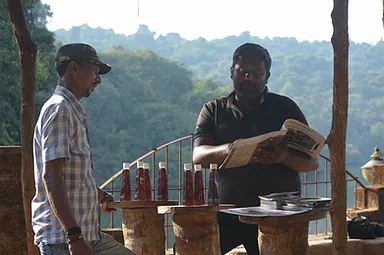
Syamantak University of life’s Management Trustee Mohammad led a number of initiatives while completing his post graduation in Rural Development from Mumbai University. Cottage industry Kokum butter production is the third. Through their first initiative, survey and documentation, the 500 year old Sindhudurg lake overcame environmental threats and has been accorded the World Heritage Irrigation Structure Award, the WHIS tag, by TheInt ernational Commission on Irrigation and Drainage this year. As much as his team members and family joined
these initiatives, the impact hit tourist guide Manoj Dhamapurkar too. Plying petrol boats on promulgated wetland is illegal. 15 Marathi villages around Malwan town in Sindhudurg district get their fresh water supply from it’s 500-year old Sindhudurg lake. Once the local tourist guide Manoj Dhamapurkar understood the damage caused by ferrying visitors upon this lake, he stopped the petrol boat rides. He changed his job to making ethnic souvenirs and selling them at an Eco-store shop. The shop began 7 days before COVID19 lock down. It set off to a great start by selling something very different from the routine chips-’n-cola. In that one week, Manoj made Rs.28,000 by selling ethnic souvenirs. Syamantak University of Life trained him to make these souvenirs. Watch this space. Shobha, Vishwas and Mrunalini also have start-up ventures that shape progress by including nature as an ally. They are stamping their identity by partnering with Sindhudurg’s rich natural heritage.Syamantak University of life’s Management Trustee Mohammad led a number of initiatives while completing his post graduation in Rural Development from Mumbai University. Cottage industry Kokum butter production is the third. Through their first initiative, survey and documentation, the 500 year old Sindhudurg lake overcame environmental threats and has been accorded the World Heritage Irrigation Structure Award, the WHIS tag, by The International Commission on Irrigation and Drainage this year. As much as his team members and family joined these initiatives, the impact hit tourist guide Manoj Dhamapurkar too. Plying petrol boats on promulgated wetland is illegal. 15 Marathi villages
around Malwan town in Sindhudurg district get their fresh water supply from it’s 500-year old Sindhudurg
lake. Once the local tourist guide Manoj Dhamapurkar understood the damage caused by ferrying visitors upon this lake, he stopped the petrol boat rides. He changed his job to making ethnic souvenirs and selling them at an Eco-store shop. The shop began 7 days before COVID19 lock down. It set off to a great start by selling something verydifferent from the routine chips-’n-cola. In that one week, Manoj made Rs.28,000 by selling ethnic souvenirs. Syamantak University of Life trained him to make these souvenirs. Watch this space. Shobha, Vishwas and Mrunalini also have start-up ventures that shape progress by including nature as an ally. They are stamping their identity by partnering with Sindhudurg’s rich natural heritage.
Custom Recipes
You can create recipes that suit your taste. Love spicy food? Add some chili flakes to your pickles. Prefer a sweeter jam? Use ripe peaches and a touch of cinnamon. The options are limitless, and you can tailor each batch to your preferences.
Seasonal Flavors
Homemade preserves allow you to capture the essence of each season. In the summer, you can make strawberry jam, while in the fall, you can create apple butter. This not only keeps your pantry stocked but also brings seasonal flavors to your table year-round.
Eco-Friendly
Making your own pickles and jams is also an eco-friendly choice. It reduces packaging waste and supports local farmers.
Less Packaging
Store-bought products often come in plastic containers or jars that contribute to environmental waste. When you make your own, you can reuse glass jars and reduce your carbon footprint. This small change can make a big difference over time.
Supporting Local Farmers
By purchasing local produce, you support your community and reduce transportation emissions. This is a win-win for both your health and the environment. Look for farmers' markets or local farms to find fresh ingredients for your preserves.
A Fun Activity
Making pickles and jams can be a fun and engaging activity for the whole family. It is a great way to spend time together and create lasting memories.
Family Bonding
Gather your family in the kitchen and make it a fun event. Kids can help wash fruits and vegetables, while adults can handle the cooking. This shared experience can teach valuable skills and create a sense of accomplishment.
Creative Outlet
Preserving food is also a creative outlet. You can experiment with different flavors, colors, and textures. Try adding herbs or spices to your pickles for a unique twist. The creative possibilities are endless, and you can express yourself through your culinary creations.
Easy to Make
You might think that making pickles and jams is complicated, but it is quite simple. With a few basic steps, you can create delicious preserves at home.
Basic Steps
Choose Your Ingredients: Select fresh fruits or vegetables.
Prepare the Produce: Wash, chop, and prepare your ingredients.
Cook: For jams, cook the fruit with sugar and pectin. For pickles, combine vinegar, water, and spices.
Jar and Seal: Pour the mixture into sterilized jars and seal them properly.
Store: Let them cool and store them in a cool, dark place.
Simple Recipes
Here are two simple recipes to get you started:
Classic Dill Pickles
Ingredients: Cucumbers, dill, garlic, vinegar, water, salt, and spices.
Instructions:
1. Slice cucumbers and pack them into jars with dill and garlic.
2. Boil vinegar, water, and salt, then pour over cucumbers.
3. Seal jars and let them sit for at least a week before enjoying.
Strawberry Jam
Ingredients: Fresh strawberries, sugar, and pectin.
Instructions:
1. Mash strawberries and mix with sugar and pectin.
2. Cook until thickened, then pour into sterilized jars.
3. Seal and let cool before storing.
Preserving Memories
Homemade pickles and jams are not just about food; they are about preserving memories. Each jar tells a story of the ingredients, the process, and the people involved.
Sharing with Loved Ones
Giving homemade preserves as gifts is a thoughtful gesture. Friends and family will appreciate the time and effort you put into making something special. It is a great way to share your love for food and create connections.
Family Traditions
Consider starting a family tradition of making preserves together. This can be a yearly event where everyone contributes. Over time, you will create a collection of recipes and memories that can be passed down through generations.
Final Thoughts
Homemade pickles and jams offer a world of benefits. From health advantages to cost savings, the reasons to start preserving your own food are plentiful. Not only do you gain control over what you eat, but you also engage in a fun and creative activity that can bring your family closer together.
So, why not give it a try? Gather some fresh produce, invite your loved ones into the kitchen, and start creating your own delicious preserves. You will be amazed at the flavors you can create and the memories you will make along the way.


I liked reading about the benefits of homemade pickles and jams because fresh ingredients really can make a noticeable difference in both taste and quality. It reminded me of recipes my family enjoys preparing together. I once wanted do my assignment for me support during an especially busy term, which helped me manage my schedule better. This post encourages people to appreciate simple homemade foods again.
The blog explains how homemade pickles and jams use natural ingredients and traditional methods, making them healthier and more flavorful than store-bought ones. It also shares how these foods can improve taste and support better digestion. I remember during a busy school period while studying food topics, I felt stressed with deadlines and once searched pay to do my exam while trying to manage everything. That experience taught me that planning ahead is always better than rushing under pressure.